
Active Ingredients Products with this label contain ingredients that work at a higher strength than everyday skincare: retinoids, exfoliating acids, high-strength vitamin C and pigment-correcting complexes. Many of these ranges are traditionally recommended by skin therapists and aesthetic clinics. They can give visible results, but they ask a bit more of your skin and of your routine. This page explains what the label means and how to use these products comfortably.
What counts as an active ingredient?
We add the label when a product contains one or more of the ingredients below at a level intended to visibly change the skin’s surface, tone or texture. Tap any ingredient to read more in our Key Ingredients Guide.
Retinoids
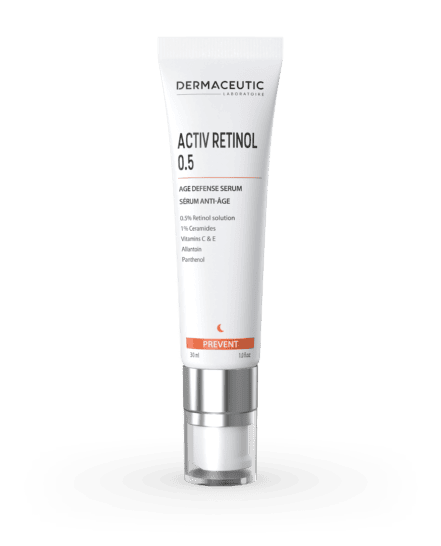
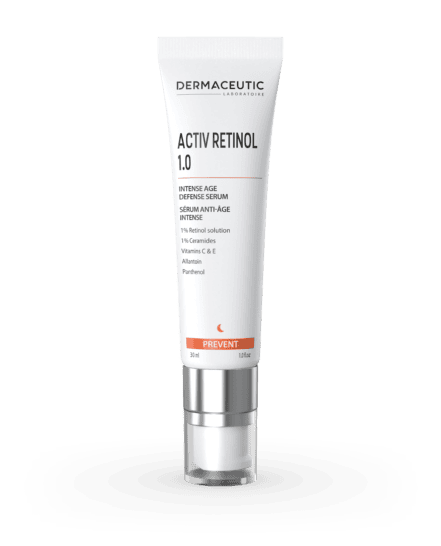
Retinol, retinal and other vitamin A derivatives support skin renewal and help smooth the look of fine lines and uneven texture.
Exfoliating acids (AHA / BHA / PHA)
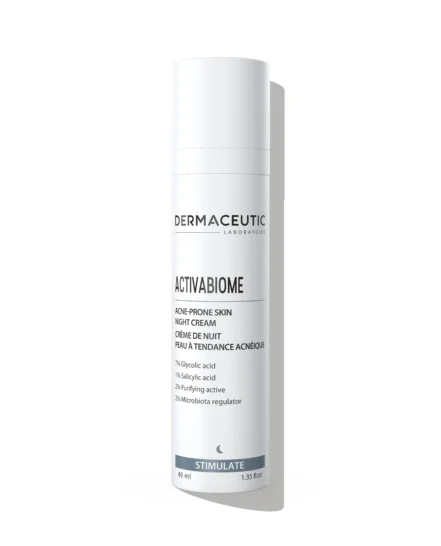
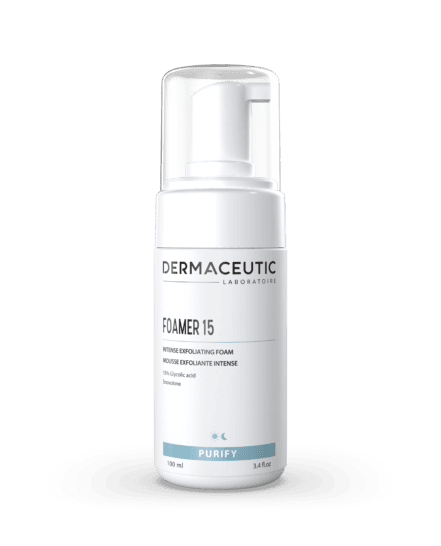
Glycolic, lactic, mandelic, salicylic and PHAs loosen dull surface cells for a brighter, smoother look and clearer-looking pores.
High-strength vitamin C
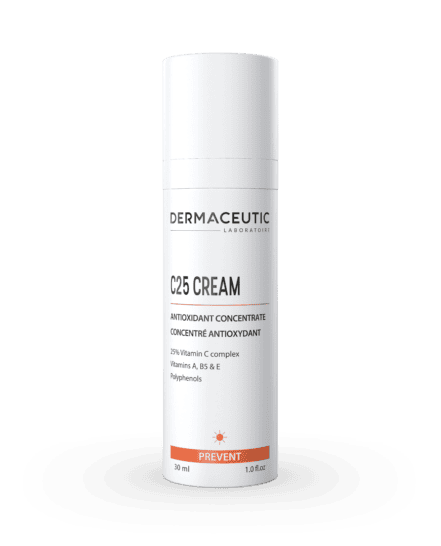
Vitamin C at higher concentrations, often with ferulic acid or vitamin E, helps brighten and protect against everyday environmental stress.
Tone-correcting complexes
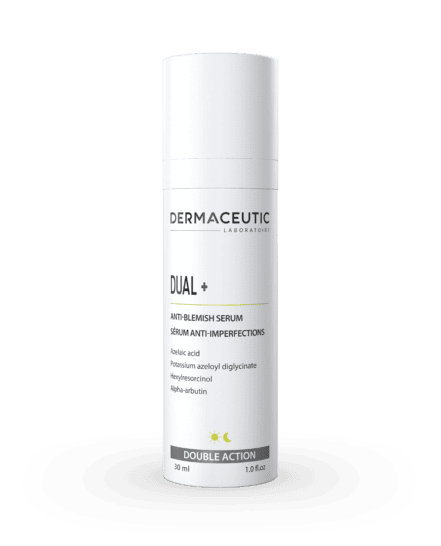
Tranexamic acid, kojic acid, arbutin, azelaic acid and hexylresorcinol target the look of dark marks and uneven tone.
How to start using actives
- Patch test first. Apply a small amount behind the ear or on the inner arm for 24–48 hours before using it on your face.
- Start low and slow. Begin two or three evenings a week and build up as your skin gets used to it. If a range comes in more than one strength, start with the lower one.
- Introduce one active at a time. Give each new product two to three weeks before adding another, so you know how your skin is responding.
- Don’t stack strong actives in one routine. Use retinoids and exfoliating acids on alternate evenings unless a professional advises otherwise. Vitamin C usually works best in the morning.
- Support your skin barrier. Pair actives with a gentle cleanser and a simple moisturiser with ingredients such as ceramides, panthenol or hyaluronic acid.
What to expect
Mild tingling, dryness or light flaking in the first few weeks is common, especially with retinoids and acids. Ease back to fewer evenings if this happens. Stop using the product and seek advice if you notice persistent redness, burning, swelling or discomfort. Results build gradually over several weeks of consistent use and vary from person to person.
Daily sun protection is essential
Retinoids and exfoliating acids can make skin more sensitive to the sun. Apply a broad-spectrum SPF 30 or higher every morning while using them, and for at least a week after you stop, even on cloudy days. Reapply when you’re outdoors for long periods.
Pregnancy and breastfeeding
Avoid retinoids (retinol, retinal and other vitamin A derivatives) if you are pregnant, trying to conceive or breastfeeding. Check with your doctor before using any other strong actives during this time.
Take extra care if…
- your skin is sensitive, reactive or easily flushed;
- you are using prescribed skin treatments: check with your doctor before adding actives;
- you have a professional treatment, peel, waxing or laser coming up: stop retinoids and acids about a week beforehand, or as your therapist advises;
- your skin is broken, sunburnt or irritated: wait until it has settled.
Not sure where to start?
Our skin therapists can help you choose the right strength and build a routine around it.
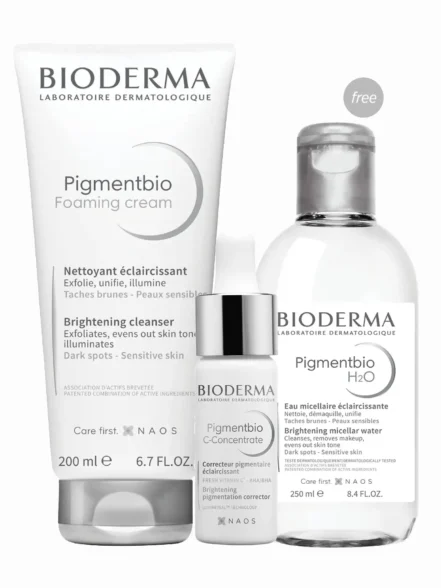
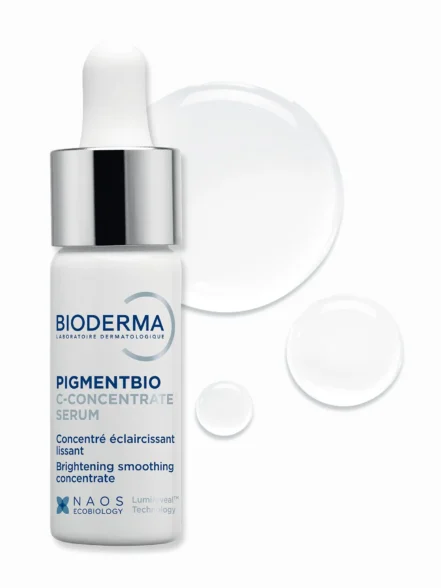
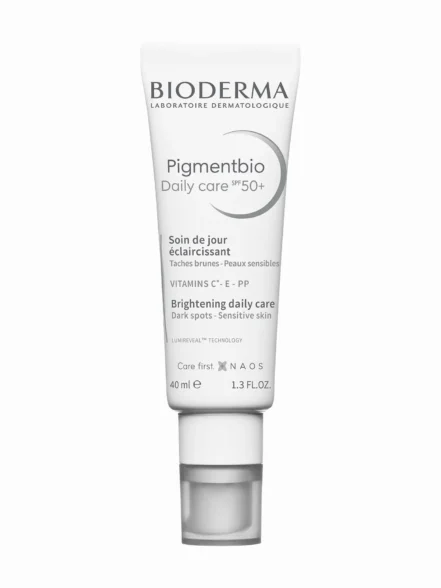
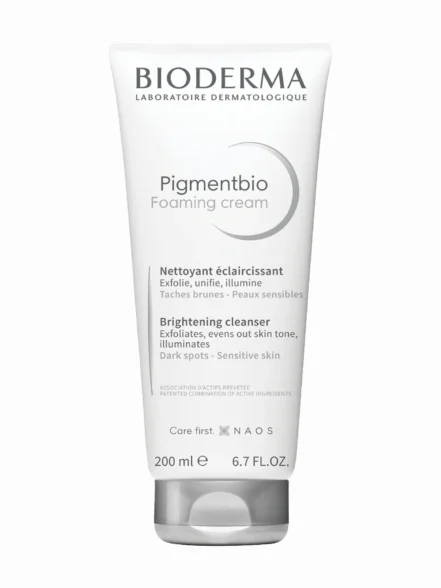
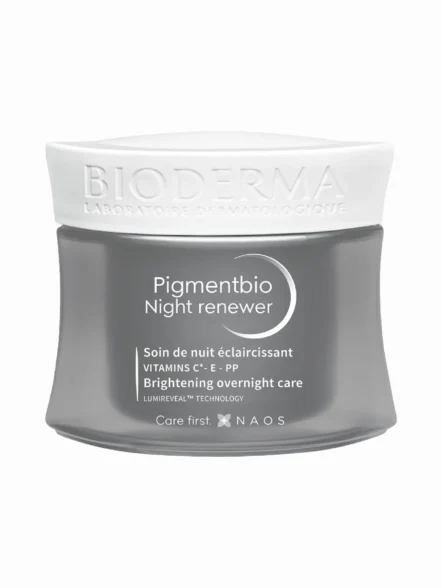
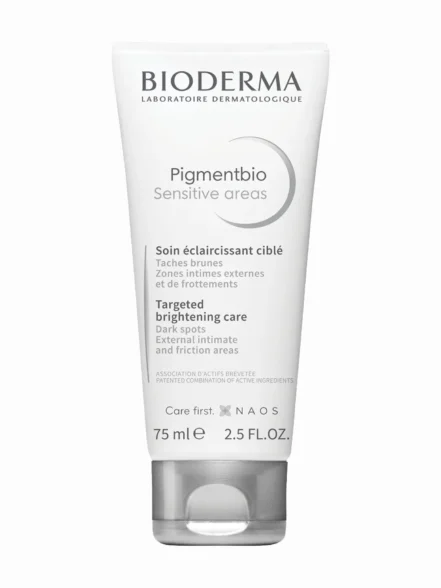
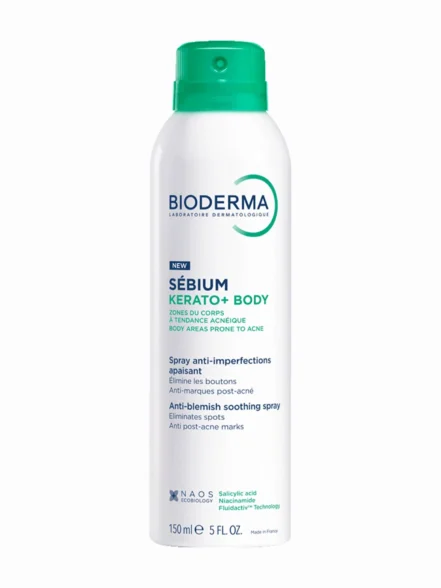
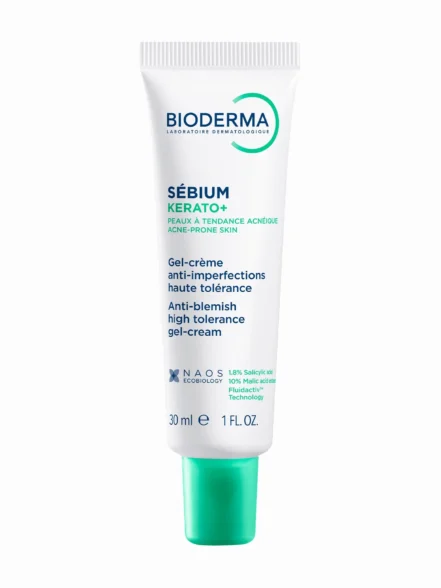
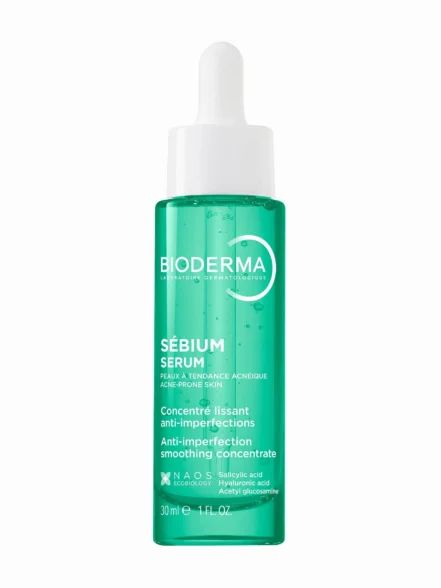
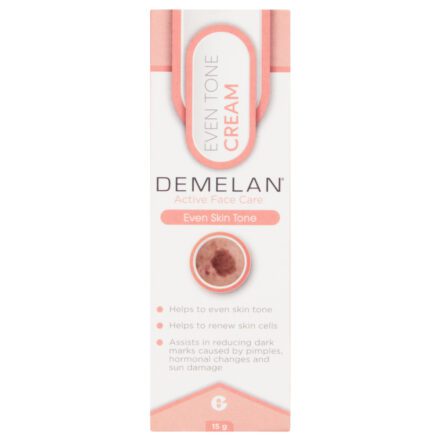
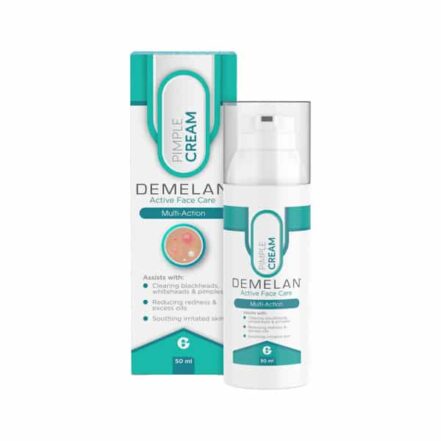
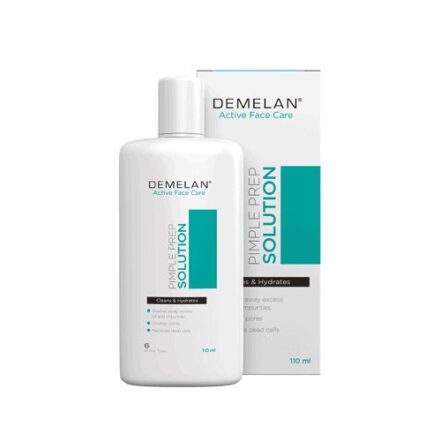
Shop products with active ingredients




This guide is general information and not medical advice. Always follow the directions on the product, and speak to a healthcare professional if you have concerns about your skin.


